How Much Money Should I Save Before Buying a Home in Maryland?
Saving for a home in Bowie, Laurel, Crofton, Upper Marlboro, Odenton or Severn starts with a question that is bigger than the down payment: How much cash will I need to buy the home and still feel prepared afterward?
Your savings target should account for purchase expenses, the move and a reserve for homeownership. The right number depends on your financing, the property and the amount you want to keep available after closing.
Start with five parts of your savings plan
Think of your goal in separate categories: your down payment, closing costs, expenses paid before settlement, moving and setup costs, and money you will retain after the purchase. Separating them makes it easier to see what an estimate includes and what still needs to be added.
Ask your lender and real estate team to help you map out when each expense may be due. Money needed for an inspection next week serves a different purpose from savings you intend to keep untouched for an emergency.
Your down payment is one piece of the total
The down payment is the portion of the price you contribute instead of financing through your primary mortgage. Different loan options have different requirements, so get a personalized comparison before assuming you must reach a particular percentage.
For example, a 5% down payment on a $400,000 home is $20,000. That calculation does not include closing costs or other purchase expenses, and it does not establish eligibility for a loan.
If you are considering a larger down payment, compare the payment benefit with the amount of savings you would have left. Your goal is to understand both sides of that decision.
Ask for an itemized closing-cost estimate
Closing costs can include lender charges, title and settlement services, applicable taxes and recording charges, and prepaid items. Your location, loan and transaction terms affect the figures.
Rather than treating an online percentage as your final budget, ask for an itemized estimate based on a realistic price range. As you identify a property, request updated figures and ask what has changed.
Keep the distinction between “closing costs” and “cash to close” clear. Ask the lender to explain how your down payment, deposit, any credits and other adjustments are reflected in the amount you will need at settlement.
Plan for expenses that may come before closing
You may need funds for an earnest money deposit, inspections, an appraisal or other services before the transaction closes. The timing depends on your contract and the providers involved.
Ask which amounts are already included in the lender's estimate so you do not count an expense twice. Keep a simple list showing the expected amount, payment deadline and whether it has been paid.
Set aside a moving and first-month budget
Think through how you will move and what you will need immediately. Possible costs include movers or a truck, utility setup, cleaning, basic supplies and an overlap between your current housing payment and the new home.
Separate items you need immediately from purchases that can wait. Furnishing every room on day one may make the move more expensive than necessary. A short priority list can help you protect your savings.
Decide what you want left after closing
Buying the house should not be the end of your financial plan. Consider how you would handle an unexpected repair or an interruption in income after moving in.
Choose a reserve target that reflects your regular expenses, other obligations and the property's condition. A lender may also have reserve requirements for a particular loan; those requirements and your personal comfort level are separate considerations.
A useful question is: “If I buy at this price, what balance do I expect to see in my accounts the week after closing?”
Make the plan specific to your Maryland search
A condo in Laurel and a detached home in Bowie may have different maintenance responsibilities and recurring fees. When comparing Crofton, Odenton, Severn or Upper Marlboro, use actual properties that fit your needs rather than a generic purchase example.
Review the condition, association obligations and upcoming work you expect to take on. We can help you organize the property questions while your lender prepares the financing estimates.
Build a savings target you can act on
Start with your current savings, identify the amount you want to retain and ask for purchase estimates that match your budget. Then set a monthly savings goal and a date to review your progress.
If assistance or a seller contribution becomes part of your plan, confirm eligibility, limits and terms before relying on it. Do not assume an unapproved contribution will cover a gap.
Schedule a no-obligation home buying strategy call with the Martin Home Team to discuss your timeline and next steps.
Find more answers and access our mini-course on the Maryland Home Buyer Resource Page, or explore our buyer Q&A playlist on YouTube.
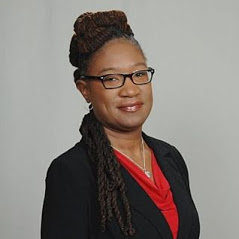
Tanika Belfield-Martin, Associate Broker
Martin Home Team | Keller Williams Realty Centre
Additional resources
CFPB: Plan your upfront purchase funds
CFPB: Budget for homeownership